

There can be a point when a small business is turning down work it used to want, not because demand disappeared, but because there simply aren’t enough hours left to take it. The answer sounds obvious: hire someone. But the decision is rarely that simple, and it has little to do with how much an owner wants to grow.
Growth and Hiring Are Different Milestones
Wanting to hire and being ready to hire are two different achievements. An owner can be at full capacity, turning down real revenue, and still not have a business structured to carry another person’s paycheck through a slow month. That isn’t always hesitation. It’s an honest read of where the business stands, and it deserves to be treated as its own milestone, separate from growth.

What Actually Changes When You Take on Your First Employee
The first employee brings new financial and legal weight. Payroll has to be run on a schedule, whether a client has paid yet or not. Hiring also brings additional employer responsibilities in Maryland, including tax, unemployment-insurance, and workplace insurance requirements. For an owner hiring for the first time, those responsibilities add new costs, decisions, and administrative work to a business that may already be operating at full capacity.
The owner also takes on new responsibilities, including recruiting the right person, training them, and managing their work. None of that shows up on a balance sheet, and all of it takes time an already-stretched owner may not have.
A business doesn’t simply decide to pay someone. It takes on a set of responsibilities that grow with the business, which is part of why the first hire carries more weight than simply adding another person to the team.
Workforce Development Has an Employer Side, Too
That structure is why the first hire belongs in a workforce-development conversation, not only a business one. Workforce-development conversations often focus on preparing people for jobs through skills, training, and connections to opportunity. But lasting opportunities also depend on businesses having the capacity to bring people in, train them, and sustain the work.
An owner can want to employ someone and still need clearer visibility into revenue and capacity before doing so responsibly. That’s the employer side of workforce development, and it matters to Montgomery County’s local economy.
Montgomery County Already Has a Large Employer Base
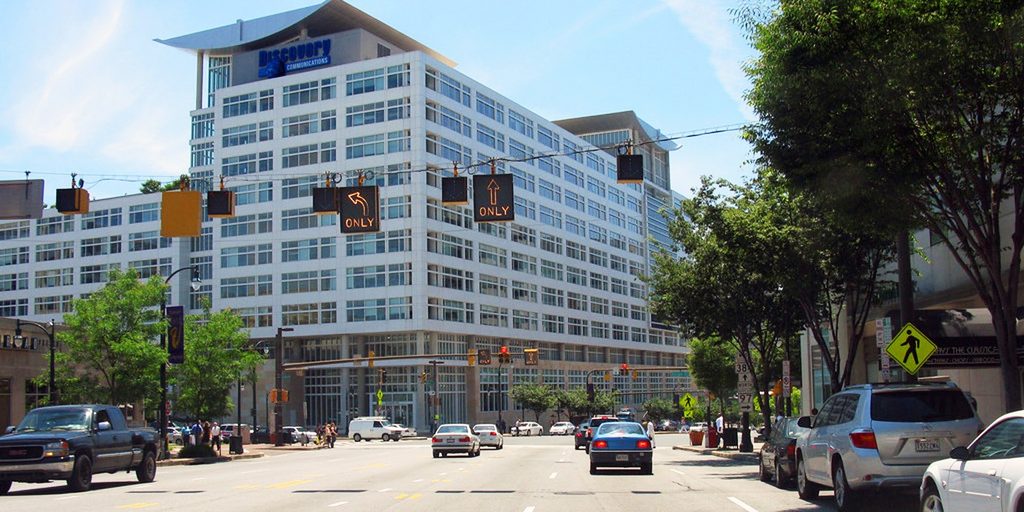
U.S. Bureau of Labor Statistics data counted 37,042 establishments and 440,742 workers in covered employment in Montgomery County in March 2026, the highest covered employment among Maryland’s eight largest counties. Figures for that month are preliminary and subject to revision.
That figure doesn’t capture every business in the county. It does, however, provide context for the scale of Montgomery County’s existing employer base and the economic role businesses play once they employ others.
The Support Most Owners Don’t Know Exists
Businesses approaching that threshold don’t have to figure it out alone. Maryland and Montgomery County’s workforce systems include resources for employers, not only job seekers. WorkSource Montgomery offers employer services related to recruitment, workforce needs, and connections to available resources. Maryland also provides workforce and training resources designed to help businesses hire, develop, and retain employees.
These resources don’t replace an owner’s judgment about when the business is ready. They can, however, help make the process of building a workforce more manageable.
This employer side of workforce development also connects directly to CERG’s broader economic-growth agenda. Jobs & Workforce Development is one of our three pillars, and the first hire is one place where it intersects with another: Business Ownership.
When a business builds the capacity to employ someone, business growth becomes job creation. That’s where entrepreneurship and workforce development begin reinforcing one another.

Where Business Readiness and Community Opportunity Meet
Being ready to hire and being ready to grow are not always the same thing. When a business finally closes that distance, the result isn’t simply one more person on payroll. It is a business with greater capacity to take on work, support an employee, and contribute to the local economy.
Businesses approaching that threshold deserve to know that employer capacity can be built over time. And when that capacity grows, the impact reaches beyond the business itself. A company that becomes ready to hire isn’t only expanding its own operations. It is creating an opportunity for someone else to work, earn, build experience, and contribute to Montgomery County’s economy.

About CERG 2.0 PAC
The Coalition for Equitable Representation in Government (CERG 2.0) is a political action committee committed to advancing inclusive economic growth in Montgomery County, Maryland, with a continued focus on strengthening Black communities and businesses.
We believe economic advancement requires more than con